



MIT News Office
|
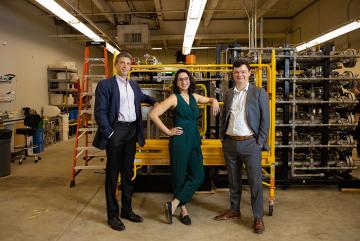
Cleaning up industrial filtration
MIT spinoff Via Separations aims for industrial decarbonization with its durable graphene oxide membranes.
MIT News Office
|
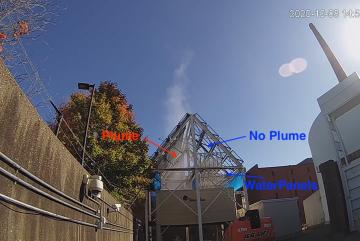
Vapor-collection technology saves water while clearing the air
System could reclaim pure water from power plant cooling towers; at-scale prototypes tested on MIT facilities have proven effective.

MIT News Office
|
Amy Watterson: Model engineer
The Plasma Science and Fusion Center mechanical engineer embraces her role in modeling fusion magnets and in promoting engineering to young women.

MIT News Office
|
Inaugural fund supports early-stage collaborations between MIT and Jordan
MIT-Jordan Abdul Hameed Shoman Foundation Seed Fund winners announced.

MIT News Office
|
Investigating materials for safe, secure nuclear power
A longstanding interest in radiation’s effects on metals has drawn Michael Short into new areas such as nuclear security and microreactors.

MIT News Office
|
A material difference
A passion for biomaterials inspires PhD candidate Eesha Khare to tackle climate change.
MIT News Office
|
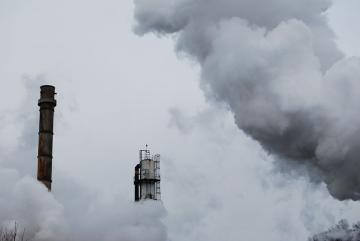
Reducing emissions by decarbonizing industry
A new study describes why, in the sector where emissions are hardest to cut, carbon capture could be the sharpest knife.
MIT News Office
|
Reducing industrial carbon emissions
A new study describes why, in the sector where emissions are hardest to cut, carbon capture could be the sharpest knife.
MIT News Office
|
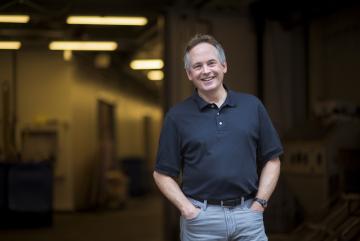
Manipulating magnets in the quest for fusion
After decades of plasma physics research, Senior Research Scientist Brian LaBombard is taking on magnets for MIT’s new fusion effort.