



Events
Distinguished Lecture by IAEA Deputy Director General Najat Mokhtar
Plasma Science and Fusion Center
September 21, 2026
11:00 AM - 12:00 PM
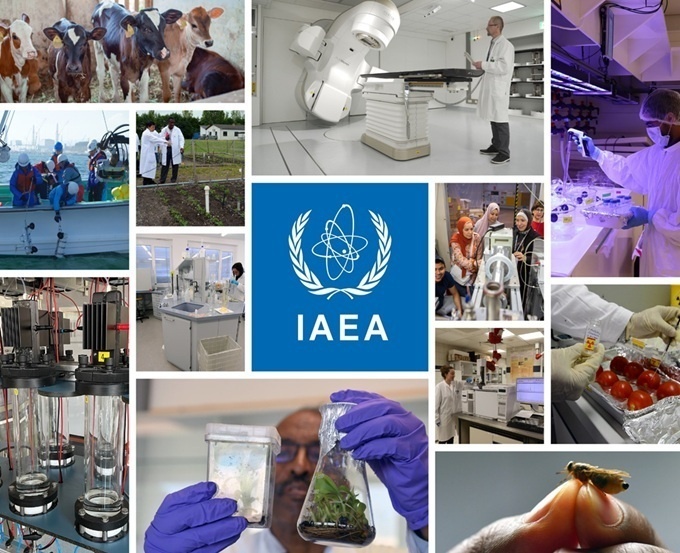
Breaking Barriers: Harnessing the Potential of the Atom
Lecture by IAEA DDG Najat Mokhtar
Abstract
Seventy years ago, in his landmark Atoms for Peace address, President Eisenhower articulated a revolutionary vision: that nuclear science should transcend its military origins to become a force for human progress—to advance health, strengthen food security, and foster global prosperity. Seven decades later, that vision remains as compelling as ever. Yet despite the extraordinary contributions of nuclear science to modern society, public perception continues to be shaped by misconceptions that often obscure its profound humanitarian and technological impact.
Today, nuclear science underpins innovations across a wide range of disciplines. In medicine, radiation-based diagnostics and radiotherapy have become indispensable tools in the prevention, diagnosis, and treatment of disease, improving and saving millions of lives each year. In agriculture, nuclear techniques enhance food security by controlling destructive pests, improving soil and water management, and accelerating the development of climate-resilient crop varieties. Isotope hydrology enables the sustainable assessment and management of groundwater resources, safeguarding access to clean water for communities around the world. Nuclear technologies also play a critical role in environmental stewardship, ranging from tracing pollutants in oceans and ecosystems to monitoring greenhouse gas emissions and supporting the transition to cleaner energy systems. At the frontier of energy research, advances in fusion science are bringing the long-standing goal of safe, abundant, carbon-free power closer to reality.
Dr. Mokhtar will also examine the challenges that continue to limit the full realization of nuclear science’s potential. Public skepticism, policy and regulatory barriers, and persistent gaps in scientific literacy can all impede the adoption of technologies capable of addressing some of humanity’s most pressing challenges. Drawing on her experience at the intersection of science, policy, and international engagement, she will discuss how education, effective science communication, international cooperation, and scientific diplomacy can help build public trust, inform evidence-based decision-making, and ensure that the benefits of nuclear science are accessible to societies around the world.